Historical landmark
London City wall
About this place
Discover London City wall
Londinium Old City Wall
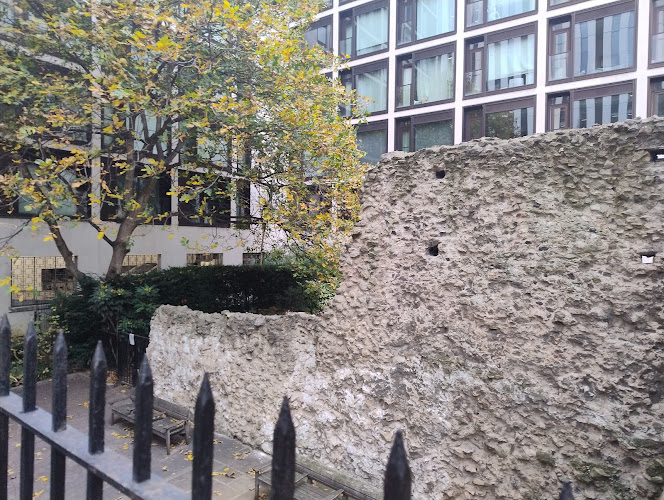
The remnants of London's ancient Roman fortifications, known as the London Wall, offer a fascinating glimpse into the city's early history. Constructed between AD 190 and 225, this defensive structure was one of the most significant engineering feats of Roman Britain, stretching approximately 2.5 miles (4 kilometers) and enclosing an area of about 134 hectares. (english-heritage.org.uk)
The wall was built using Kentish ragstone, a durable material quarried from Maidstone, Kent, and transported to London via the Thames River. Its original height was around 6 meters (20 feet), and it was about 2.5 meters (8 feet) thick at the base. A defensive ditch, or fossa, up to 2 meters (6.5 feet) deep and 4.8 meters (16 feet) wide, was constructed in front of the wall to enhance its fortifications. (english-heritage.org.uk)
Strategically placed towers and gates were integral to the wall's design. The eastern section featured at least 22 semi-circular towers, spaced approximately 64 meters (210 feet) apart, which served as platforms for defensive artillery. The wall incorporated four main gates: Aldgate and Bishopsgate in the northeast, and Newgate and Ludgate in the west. Additionally, the army's fortress at Cripplegate on the northwest side had its own entrance. (en.wikipedia.org)
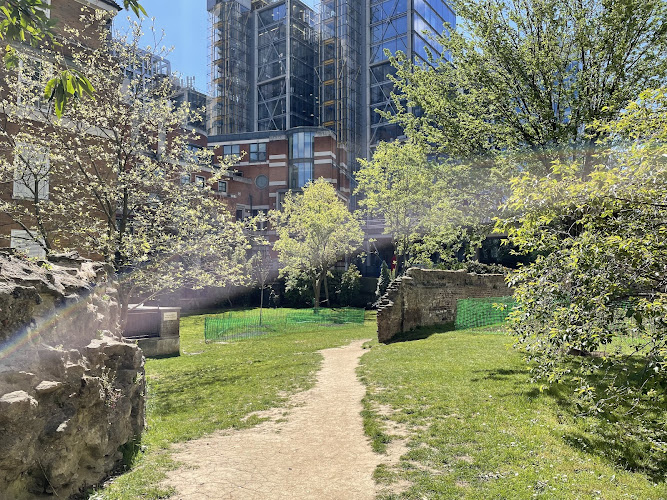
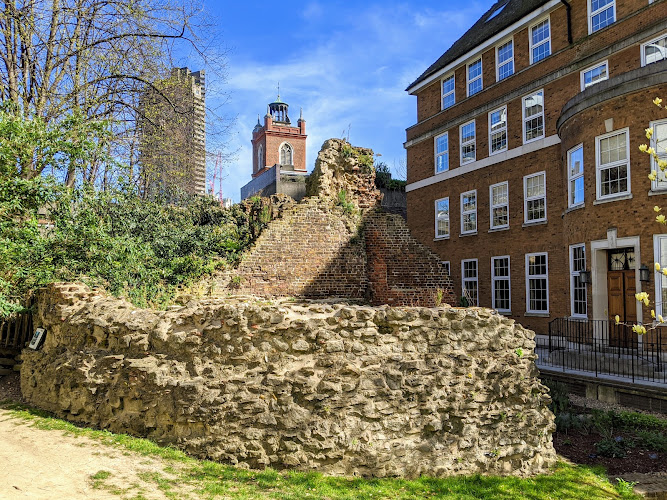
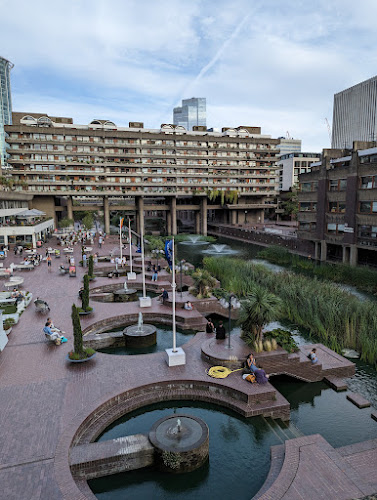
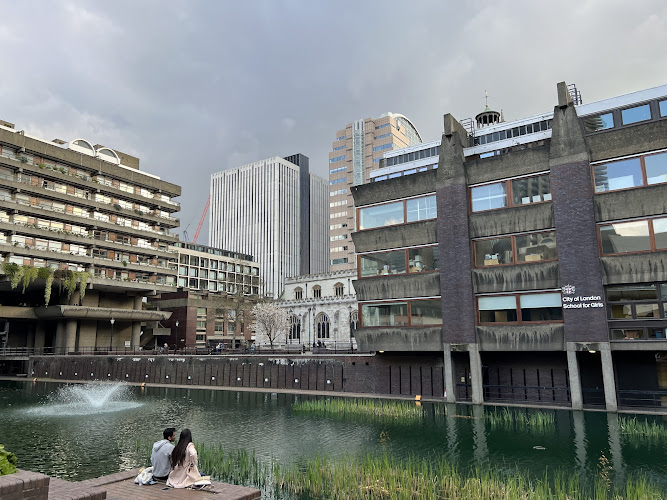
Over the centuries, the London Wall underwent several modifications. During the Saxon period, it fell into decay, but from the 12th to 17th centuries, large sections were repaired or rebuilt. By the 17th century, as London expanded rapidly, the wall was no longer necessary for defense, leading to its gradual demolition. Today, only a few short sections of the wall remain visible, with notable examples at Tower Hill, near the Tower of London, and in the Barbican area. (english-heritage.org.uk)
The surviving sections of the London Wall provide valuable insights into Roman engineering and urban planning. Visitors can explore these remnants through the London Wall Walk, a 1.75-mile (2.8-kilometer) trail that traces the original line of the wall, passing by significant historical sites and offering a unique perspective on the city's evolution. (english-heritage.org.uk)
For those interested in a more in-depth experience, the Museum of London offers guided tours of the Roman Fort Gate, located near the Barbican Estate. These tours delve into the history of the fortifications, their construction, and their role in the defense of Londinium. (londonmuseum.org.uk)
Exploring the remnants of the London Wall allows visitors to connect with the ancient past of one of the world's most dynamic cities, offering a tangible link to its Roman heritage.
Location