About this place
Discover The Mint
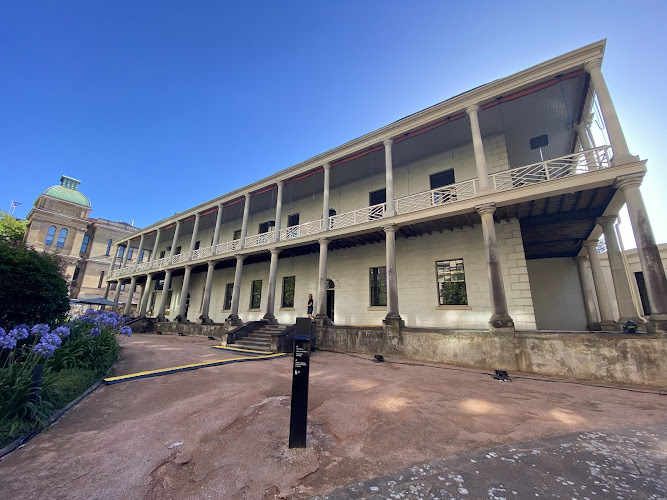
The Mint, situated at 10 Macquarie Street in Sydney, Australia, is a historic landmark that has played a significant role in the city's development and heritage. Its evolution from a hospital wing to a coining factory and now a museum reflects the dynamic history of New South Wales.
Historical Background
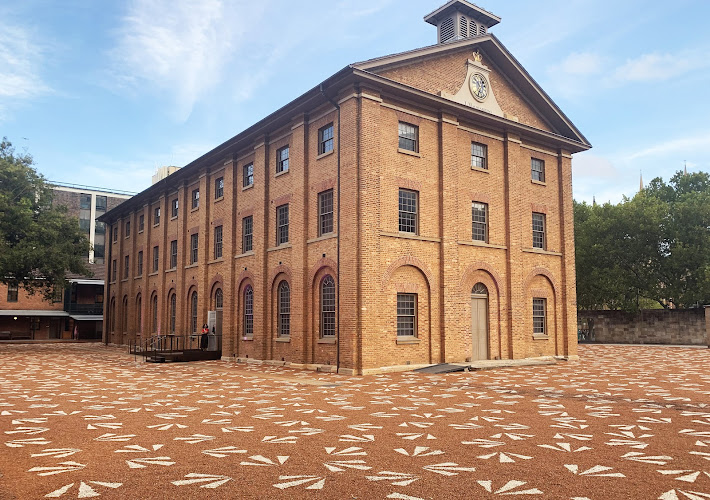
Constructed between 1811 and 1816, The Mint was originally the southern wing of the General Hospital, commonly referred to as the "Rum Hospital" due to its financing through the importation of rum. This building is one of Sydney's oldest surviving structures and showcases early colonial architecture. (nsw.gov.au)
In the 1850s, following the discovery of gold in New South Wales, the site was repurposed to become the first branch of the Royal Mint outside of London. The coining factory, constructed between 1854 and 1855, utilized imported prefabricated components and is rich in evidence of minting processes and machinery. (nsw.gov.au)
Architectural Significance
The Mint's architecture is a testament to the colonial era's building techniques and aesthetic preferences. The original hospital wing features classical architectural detailing, making it the earliest example of such style in Australia. The coining factory, constructed with locally quarried sandstone and prefabricated cast iron components imported from England, reflects the industrial advancements of the time. (nsw.gov.au)
Cultural and Social Impact
The establishment of the Royal Mint at this location marked a significant event in the social, economic, and political history of New South Wales. The minting of colonial gold not only bolstered the economy but also symbolized the colony's growing autonomy and prosperity. The Mint's transformation from a hospital to a minting facility and now a museum underscores the adaptability and resilience of Sydney's institutions.
Visitor Experience
Today, The Mint serves as the headquarters for Museums of History NSW and houses the Caroline Simpson Library & Research Collection, which focuses on the history of house and garden design in New South Wales. Visitors can explore the historic rooms and hallways, view archaeological remains in the courtyard, and examine restored minting machinery from the gold rush era. The site also features a café, conference facilities, and a gift shop. (nsw.gov.au)
Visitor Information
The Mint is open Monday through Friday from 9:00 AM to 5:00 PM and offers free entry. It is accessible to people with various needs and provides facilities such as public toilets and family-friendly amenities. (nsw.gov.au)
For those interested in hosting events, The Mint offers conference facilities and venue hire spaces, making it a unique location for meetings and functions. The on-site café provides a relaxing environment for visitors to enjoy refreshments amidst the historic setting.
In summary, The Mint is a significant historical site that offers visitors a glimpse into Sydney's colonial past, its economic development during the gold rush, and its architectural evolution. Whether you're a history enthusiast, architecture aficionado, or simply looking for a unique venue, The Mint provides a rich and engaging experience.
Location