tourist attraction
Palace of Westminster
About this place
Discover Palace of Westminster
Palace of Westminster
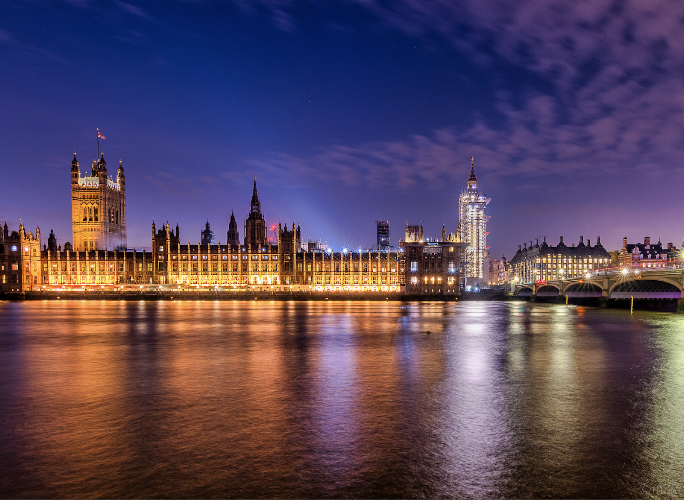
The Palace of Westminster, often referred to as the Houses of Parliament, stands as a monumental symbol of British democracy and history. Situated on the north bank of the River Thames in London, this iconic building serves as the seat of the United Kingdom's government, housing both the House of Commons and the House of Lords. Its architectural grandeur and historical significance make it one of the most recognized landmarks in the world.
Historical Background
The origins of the Palace of Westminster trace back to the 11th century. The site, known as Thorney Island, was initially used as a royal residence by King Canute the Great during his reign from 1016 to 1035. However, it was under King Edward the Confessor that the first significant development occurred. Edward constructed a royal palace on Thorney Island, contemporaneously with the building of Westminster Abbey between 1045 and 1050. This establishment laid the foundation for what would become the heart of English governance. (en.wikipedia.org)
In 1295, the Palace of Westminster became the official meeting place for the English Parliament, marking a pivotal moment in the evolution of the British political system. Over the centuries, the palace underwent numerous expansions and renovations to accommodate the growing needs of the Parliament. A significant transformation occurred in 1834 when a devastating fire destroyed most of the original palace, including the House of Commons chamber. This tragedy prompted the need for a comprehensive rebuilding plan. (parliament.uk)
Architectural Evolution
The reconstruction of the Palace of Westminster was entrusted to architect Sir Charles Barry, who envisioned a design that would reflect the nation's Gothic heritage. Collaborating with Augustus Pugin, a renowned Gothic Revivalist, Barry's design incorporated elements such as pointed arches, ribbed vaults, and flying buttresses, characteristic of the Gothic style. Construction commenced in 1840 and, despite numerous challenges, including the deaths of both Barry and Pugin before completion, the palace was finished in 1876. (en.wikipedia.org)
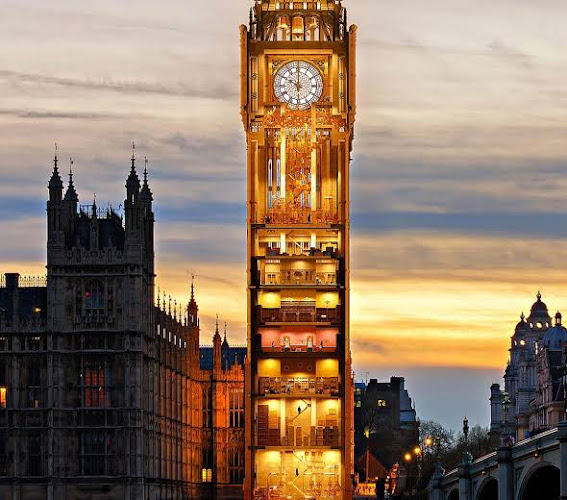
One of the most striking features of the palace is the Victoria Tower, standing at 98 meters (320 feet). This tower houses the parliamentary archives and serves as a symbol of the British monarchy. Another iconic element is the Elizabeth Tower, commonly known as Big Ben, which houses the Great Bell. The clock faces of the tower are among the largest in the world, and the bell's chimes have become synonymous with British culture. (parliament.uk)
Westminster Hall, the oldest part of the palace, dates back to 1097. It boasts the largest medieval timber roof in Europe, a testament to the engineering prowess of its time. Over the centuries, Westminster Hall has hosted numerous significant events, including state trials, coronation banquets, and lying-in-state ceremonies for prominent figures. (parliament.uk)
Cultural and Political Significance
The Palace of Westminster is not only an architectural masterpiece but also a symbol of the UK's rich political heritage. It has been the backdrop for countless historical events, including the trial of King Charles I in 1649, the passing of the Reform Acts in the 19th century, and the debates leading up to the UK's membership in the European Union. The palace's chambers have witnessed pivotal moments that have shaped the nation's history and continue to influence its future.
In 1987, the Palace of Westminster, along with Westminster Abbey and St Margaret's Church, was designated a UNESCO World Heritage site. This recognition underscores the palace's outstanding universal value and its role in symbolizing the intertwined history of church, monarchy, and state. (whc.unesco.org)
Visitor Information
Today, the Palace of Westminster remains the operational seat of the UK Parliament. While access to the parliamentary chambers is restricted during sessions, visitors can explore the palace's rich heritage through guided tours. These tours offer insights into the building's history, architecture, and the workings of the UK Parliament. Visitors can admire the intricate stonework, stained glass windows, and the opulent interiors that reflect the nation's artistic and cultural achievements. The tours also provide a glimpse into the daily operations of the government, offering a unique perspective on British democracy in action. (parliament.uk)
The Palace
Location