Mosque
Yunus Emre Mosque (Yunus Emre Cami)
About this place
Discover Yunus Emre Mosque (Yunus Emre Cami)
Yunus Emre Mosque
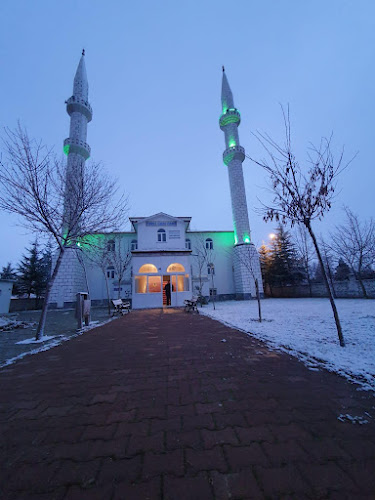
The Yunus Emre Mosque, situated in the town of Çeltik within Konya Province, Turkey, stands as a remarkable testament to late Ottoman architectural ingenuity. Constructed in 1815, this mosque exemplifies the period's architectural style and serves as a focal point for the local community.
Historical Context
The early 19th century in the Ottoman Empire was a period of significant transformation. The empire faced internal challenges and external pressures, leading to reforms and a reassertion of cultural and architectural identity. In Anatolia, towns like Çeltik experienced growth and development, with local leaders commissioning structures that reflected both traditional Ottoman designs and the evolving architectural trends of the time.
Architectural Design and Features
The mosque's architectural plan is a quintessential example of late Ottoman mosque design. The central prayer hall (harim) is covered by nine domes, a design that not only provides structural stability but also creates a harmonious and expansive interior space. This configuration allows for a large congregation, reflecting the mosque's role as a central place of worship and community gathering.
Supporting the domes are four central pillars, which are integral to the mosque's structural integrity. These pillars are not merely functional; they are also aesthetic elements, contributing to the mosque's grandeur and the play of light and shadow within the interior.
The minaret, located at the northwest corner where the harim and the last congregation area meet, is a single-balcony structure made of cut stone. This design is characteristic of the late Ottoman period, showcasing the era's emphasis on verticality and the use of local materials. The minaret's slender profile and decorative elements add to the mosque's visual appeal and serve as a landmark within the town.
The last congregation area (son cemaat mahalli) is accessed through a triple-arched opening, with the central arch highlighted by a triangular pediment. This architectural feature not only enhances the mosque's aesthetic but also serves a functional purpose, providing shelter and a transitional space between the exterior and the main prayer hall.
Restoration and Preservation
Over the years, the Yunus Emre Mosque has undergone several restorations aimed at preserving its structural integrity and historical authenticity. The restoration efforts have focused on maintaining the mosque's original stone craftsmanship, ensuring that the building's historical and architectural significance is retained for future generations. The lead-covered domes, a distinctive feature of the mosque, have been carefully restored to protect them from the elements and to preserve their aesthetic value.
Cultural and Community Significance
Beyond its architectural merits, the Yunus Emre Mosque holds profound cultural and community significance. As a place of worship, it serves as a spiritual center for the residents of Çeltik and the surrounding areas. The mosque's design facilitates communal prayers and gatherings, fostering a sense of unity and shared identity among the worshippers.
The mosque also stands as a symbol of the town's historical development and its connection to the broader cultural and architectural trends of the late Ottoman period. It reflects the local community's aspirations and their desire to create a lasting monument that embodies their faith and cultural heritage.
Visitor Information
For visitors interested in exploring the Yunus Emre Mosque, it is advisable to check the local municipality's official website or contact the Çeltik Kaymakamlığı (District Governorship) for the most current information regarding visiting hours and any special events. The mosque is accessible to the public, and visitors are encouraged to experience its architectural beauty and the serene atmosphere it offers.
In conclusion, the Yunus Emre Mosque in Çeltik is not merely a place of worship; it is a historical and architectural landmark that encapsulates the essence of late Ottoman architecture. Its design, construction, and the community it serves reflect the rich cultural tapestry of the period and continue to inspire awe and admiration.
Location