historical landmark
Emir Celaleddin Karatay Mausoleum (Emir Celaleddin Karatay türbesi)
About this place
Discover Emir Celaleddin Karatay Mausoleum (Emir Celaleddin Karatay türbesi)
Emir Celaleddin Karatay Mausoleum
The Emir Celaleddin Karatay Mausoleum, situated in Konya, Turkey, stands as a testament to the architectural brilliance and cultural richness of the Seljuk period. Constructed in 1251 during the reign of Sultan II. İzzeddin Keykavus, the mausoleum was commissioned by Emir Celaleddin Karatay, a distinguished statesman and vizier in the Seljuk Empire. This mausoleum is part of the Karatay Medrese (Karatay Madrasa), a complex that also houses the tomb of its founder, Emir Celaleddin Karatay.
Historical Background
Emir Celaleddin Karatay was a prominent figure in the Seljuk administration, known for his contributions to the empire's governance and cultural development. His decision to commission the mausoleum within the medrese underscores the importance of education and scholarship during his time. The construction of the mausoleum and the medrese reflects the Seljuk commitment to fostering intellectual pursuits and preserving knowledge.
Architectural Features
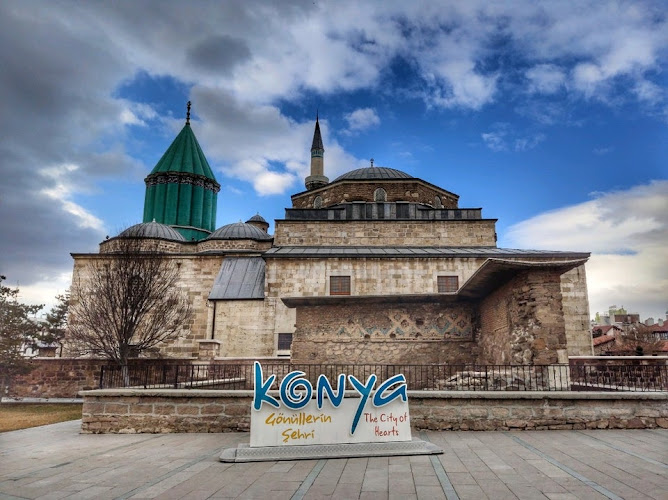
The mausoleum exemplifies the architectural style of the Seljuk period, characterized by its single-story, closed courtyard design. The building's walls are constructed from Sille stone, a local material known for its durability and aesthetic appeal. The roofs are made of brick, showcasing the Seljuks' expertise in brickwork. The entrance to the mausoleum is marked by a remarkable blue and white marble portal, a masterpiece of Seljuk stone craftsmanship. This portal is adorned with intricate carvings and inscriptions, reflecting the artistic sensibilities of the era.
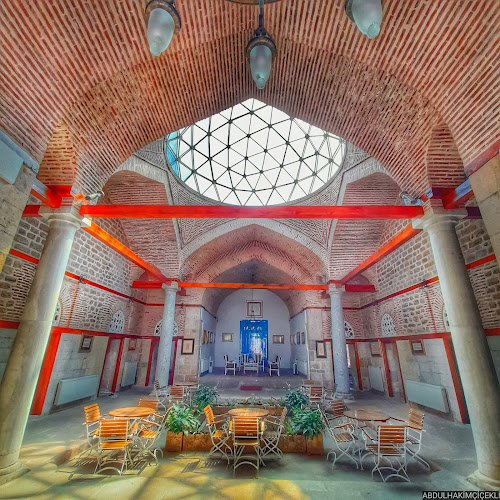
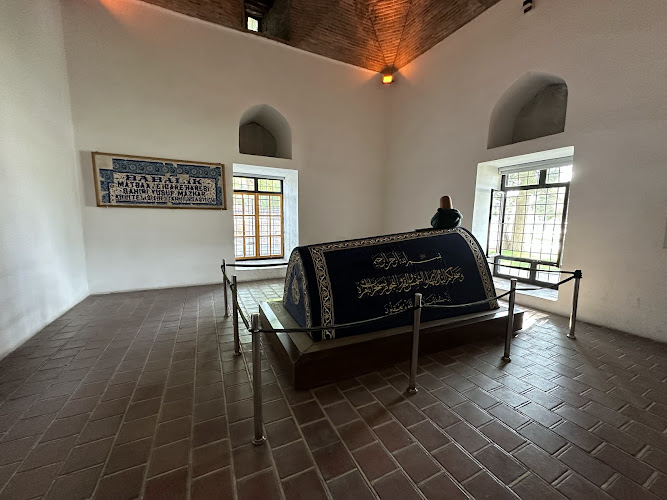
Inside the mausoleum, visitors are greeted with exquisite mosaic and tile work, characteristic of Seljuk art. The interior design includes a central dome supported by pendentives, a feature that not only enhances the structural integrity of the building but also contributes to its aesthetic grandeur. This architectural innovation influenced the development of mosque architecture in the subsequent centuries.
Cultural Significance
The mausoleum's significance extends beyond its architectural beauty. During the Seljuk period, it served as a center for the study of hadith and tafsir, reflecting the era's emphasis on religious scholarship and education. The presence of the mausoleum within the medrese complex highlights the integration of religious and educational functions in Seljuk architecture. This integration underscores the holistic approach to learning and spirituality that was prevalent during the period.
Notable Events
Over the centuries, the mausoleum has witnessed various historical events, including changes in the Seljuk administration and the eventual decline of the empire. Despite these changes, the mausoleum has remained a symbol of the Seljuk legacy, reflecting the empire's architectural and cultural achievements. Its preservation and continued study offer valuable insights into the history and culture of the Seljuk period.
Visitor Information
Today, the Emir Celaleddin Karatay Mausoleum serves as a museum, offering visitors a glimpse into the rich cultural and architectural heritage of the Seljuk era. The museum houses a collection of artifacts, including Seljuk, Beylik, and Ottoman-era tiles and ceramics, many of which were brought from the Kubadabad Palace. These artifacts provide a comprehensive view of the evolution of tile art in the region. The museum is open to visitors throughout the week, except on Mondays, and offers guided tours to enhance the visitor experience. The staff provides detailed explanations of the mausoleum's history, architecture, and the significance of the artifacts on display. Visitors can also participate in workshops and educational programs that delve deeper into the art and history of the Seljuk period.
The Emir Celaleddin Karatay Mausoleum stands as a testament to the architectural ingenuity and cultural richness of the Seljuk period. Its preservation and continued study offer valuable insights into the history and culture of the Seljuk Empire, making it a must-visit destination for history enthusiasts and architecture aficionados alike.
Location