museums
Mahmudiye Madrasa (Mahmudiye Medresesi)
About this place
Discover Mahmudiye Madrasa (Mahmudiye Medresesi)
Mahmudiye Madrasa
The Mahmudiye Madrasa, situated in the heart of Konya, Turkey, stands as a testament to the architectural and educational advancements of the Seljuk period in the 13th century. Established during the reign of Sultan Alaeddin Keykubat II, the madrasa was commissioned to provide higher Islamic education, focusing on religious sciences such as fiqh (Islamic jurisprudence), tafsir (Quranic exegesis), and hadith (sayings and actions of the Prophet Muhammad). This institution played a pivotal role in the intellectual and spiritual life of the region, attracting scholars and students from various parts of the Seljuk Empire.
Historical Context
The 13th century was a period of significant cultural and architectural development in Anatolia, particularly under the Seljuk Sultanate of Rum. The Seljuks, having established their dominance in the region, embarked on numerous architectural projects that reflected their power and commitment to education and religion. The construction of madrasas, like the Mahmudiye Madrasa, was part of this broader initiative to promote Islamic scholarship and foster a sense of community among Muslims.
Architectural Features
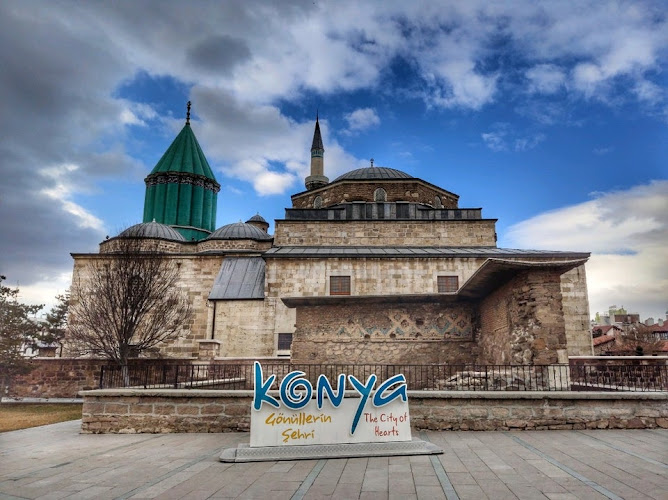
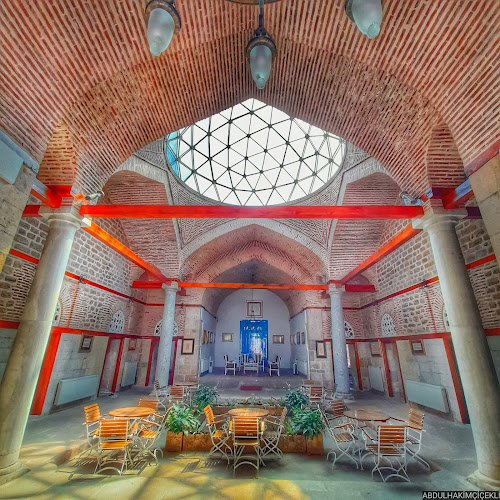
The madrasa's architecture embodies the classical Seljuk style, characterized by a central courtyard surrounded by classrooms and student cells. This design not only facilitated a conducive learning environment but also symbolized the Islamic concept of community and unity. The entrance portal is particularly noteworthy, adorned with intricate geometric and floral motifs that showcase the era's craftsmanship and attention to detail. The use of cut stone and brick in the construction reflects the Seljuks' mastery in masonry and their ability to blend functionality with aesthetic appeal.
Cultural Significance
Beyond its architectural grandeur, the Mahmudiye Madrasa holds significant cultural value. It served as a beacon of knowledge, attracting scholars and students dedicated to the pursuit of Islamic sciences. The madrasa's curriculum emphasized a holistic approach to education, integrating religious studies with other disciplines, thereby contributing to the intellectual vibrancy of the Seljuk Empire. Its role in preserving and disseminating Islamic knowledge underscores the importance of such institutions in the medieval Islamic world.
Restorations and Preservation
Over the centuries, the madrasa experienced periods of neglect and restoration. Recognizing its historical and architectural significance, efforts have been made to preserve and restore the structure. These restorations aim to maintain the madrasa's original form and ensure its continued existence as a cultural heritage site. Today, the Mahmudiye Madrasa stands as a testament to the rich cultural heritage of the Seljuk period, offering insights into the educational and architectural advancements of medieval Anatolia.
Visitor Information
For those interested in exploring the Mahmudiye Madrasa, it is accessible to the public and offers a glimpse into the architectural splendor and historical significance of the Seljuk era. Visitors can admire the intricate designs, learn about the madrasa's role in Islamic education, and appreciate the craftsmanship that has been preserved through meticulous restoration efforts. The madrasa's location in Konya, a city renowned for its rich history and cultural heritage, makes it a must-visit destination for history enthusiasts and architecture aficionados alike.
In conclusion, the Mahmudiye Madrasa is not merely a building; it is a symbol of the Seljuk Empire's commitment to education, culture, and architectural excellence. Its enduring presence continues to inspire and educate, serving as a bridge between the past and the present, and a testament to the enduring legacy of the Seljuk period in Anatolia.
Location